One starting point
Discuss suspected bed bugs at an Independence address.
Bed bug treatment in Independence, MO for an apartment involves decisions about access, preparation and the rooms around the reported unit. This referral site connects residents and property managers with independent providers who determine that scope. Independence's 2024 ACS figures show 39.1% of occupied homes are rented. That describes the housing mix, not the likelihood of bed bugs. Tell the provider whether you rent one unit, manage several, or need a plan for a shared building.
Discuss suspected bed bugs at an Independence address.
Ask what the inspection found and what work it supports.
The provider performs and prices any agreed work.
Use Missouri's public applicator search.
Start by asking which apartments will be examined, who receives instructions and how later visits will be arranged. Use the points below to compare the scope of apartment work, rather than assuming that every visit or piece of equipment comes with the initial treatment.
Describe the unit where signs appeared and any reports from adjoining homes. A provider can decide which sleeping areas, furniture and connecting spaces need inspection. Obtain permission and an access schedule before including other apartments in the visit.
Methods follow the findings and building assessment. Heat, steam and pesticide work have different preparation needs. Ask why the proposed approach fits the units and how the provider will check later activity.
An encasement may be useful when the provider recommends keeping a mattress or box spring. Ask which design is appropriate, how it should be fitted and how long it must remain intact. Find out whether obtaining and fitting the covers is included in the proposal.
Monitoring devices provide something more useful than a guess based on itching alone. Ask where devices will sit, who reads them and how findings are reported. Keep a dated log so the resident, manager and provider can compare observations at the next appointment.
Keep a dated record for each apartment: findings, work completed, resident instructions and next appointment. Ask about return-visit charges and the procedure for a later insect before residents begin preparing.
Note the affected rooms and ask what information the provider needs next.
The purpose of apartment treatment is to identify confirmed activity and create a workable response across the spaces involved. Bedrooms are an important starting point, but a provider may also examine upholstered seating and the routes between rooms or units. The referral site arranges contact; the independent business decides whether inspection should extend beyond the first apartment. Residents need one written preparation sheet that matches the selected method, while management needs a way to arrange access and preserve records. A follow-up plan then explains what evidence will be checked, when it will be checked and who should receive any report of continuing activity.
Independence has 56,084 housing units, and 21.2% are in buildings containing two or more units according to the 2024 ACS. Those figures explain why shared-building coordination belongs in a local treatment discussion; they do not show infestation rates. Tell the provider about connecting walls, common furniture, recent moves and other reported sightings without assigning blame. A single resident may notice signs first even when the eventual inspection scope is larger. MU Extension and Missouri DHSS support professional assessment, and DHSS advises tenants and managers to agree on a management plan.

Give the provider the property address, apartment arrangement and number of reported units. Explain what residents actually found and when, distinguishing confirmed insects from bites alone. The business receiving the referral decides whether it can serve the address, how to assess the building and when an appointment is available. The site does not dispatch treatment crews.
A provider examines the reported sleeping or seating areas and decides whether additional spaces need assessment. Ask how furniture seams, bed structures and gaps will be checked, and request the findings in writing. Management can help with authorized access while residents share photos, specimens and a timeline of observations.
Review the proposed units, methods, preparation duties and appointment sequence together. Get separate answers about treatment duration and re-entry requirements, since these depend on the method. The provider sets its own prices; this site cannot authorize work for a tenant or property owner.
Follow the business's instructions for clothing, bedding, furniture and personal items. The actual work may involve physical removal, heat, steam or pesticide use as specified in the agreement. Do not assume every apartment in a building will receive identical work or identical re-entry instructions.
Use the agreed schedule to review observations and monitoring results with the provider. Record live insects or other evidence by date and location rather than relying on bites as proof. Keep the record available to residents and management.
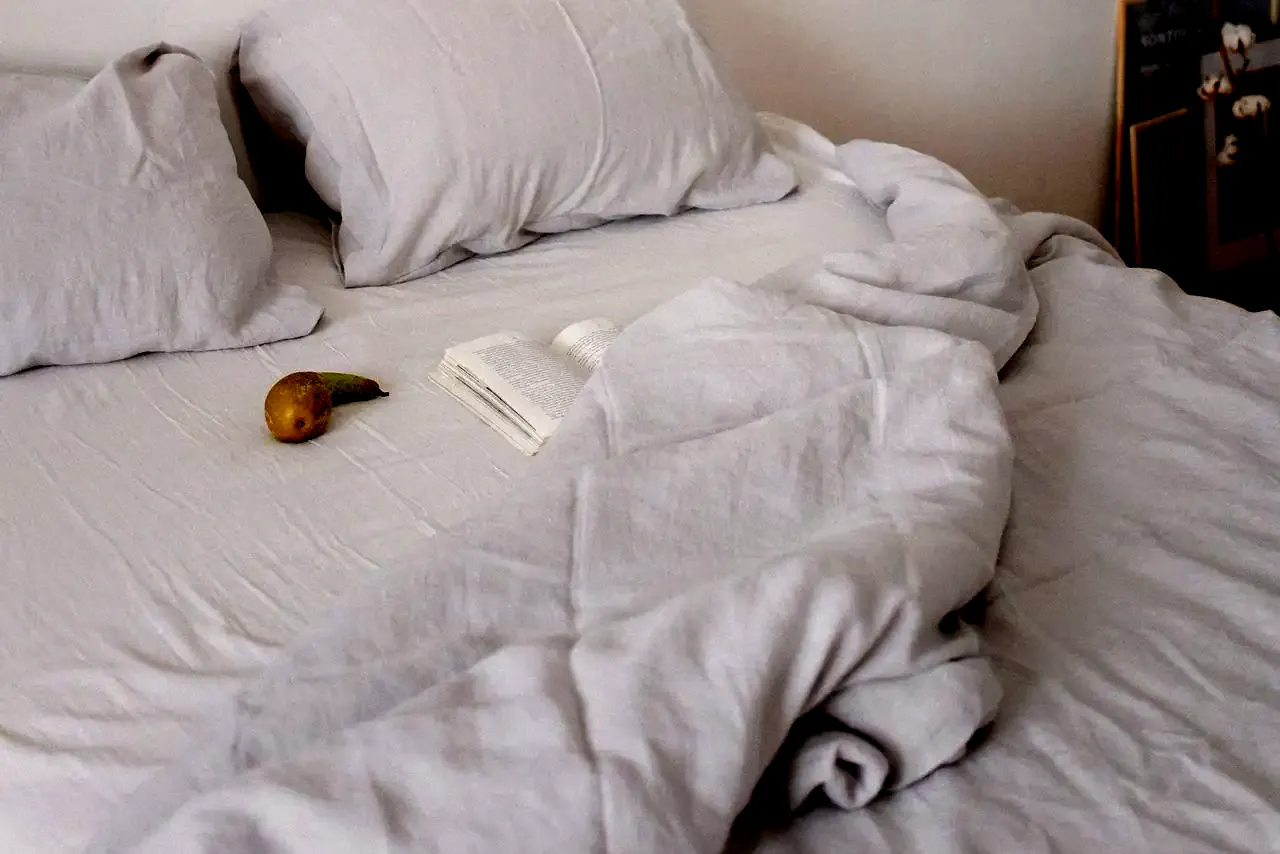
Ask how the provider identifies an insect before proposing treatment. A photo or specimen may help, alongside examination of the furniture and sleeping areas involved.
Discuss inaccessible furniture joints, wall gaps and other locations the provider considers relevant. Ask what can be checked during the appointment and what limitations remain.
If whole-space heat is proposed, ask how the provider defines the treatment boundary and checks temperatures. This site does not supply heating equipment.
Directed steam may be one part of a professional plan for suitable surfaces. Residents should not assume that a visible pass over upholstery replaces the provider's inspection and follow-up plan.
Physical removal can reduce visible insects and debris in places a provider can reach. Ask how collected material will be contained and how vacuuming fits the remaining treatment.
For pesticide work, request the product information and application instructions from the business performing it. Ask which surfaces will be treated and what people or pets must avoid afterward.
Ask who places, checks and records monitoring devices. Give residents a clear reporting contact and leave devices in position unless the provider instructs otherwise.
Discuss whether the proposed heat work covers one room, the apartment or a larger group of spaces. Ask what evidence it will review afterward rather than assuming one heat visit settles every possible source of new activity.
A pesticide proposal should identify the treatment locations and the instructions residents must follow. Products and application choices belong to the provider, with follow-up determined by the evidence and agreement. Ask how new hatchlings or later sightings will be addressed. The referral site recommends no product and performs no pesticide applications.
A provider may combine physical removal and directed steam on suitable furnishings. They address accessible locations; inspection and later observation are still needed to assess areas beyond the immediately visible surfaces.
Discuss whether mattress covers and monitoring devices suit each unit. A resident should know whom to contact if a cover is damaged or a device contains an insect. Keep those observations with the treatment record rather than treating a quiet night as the final result.
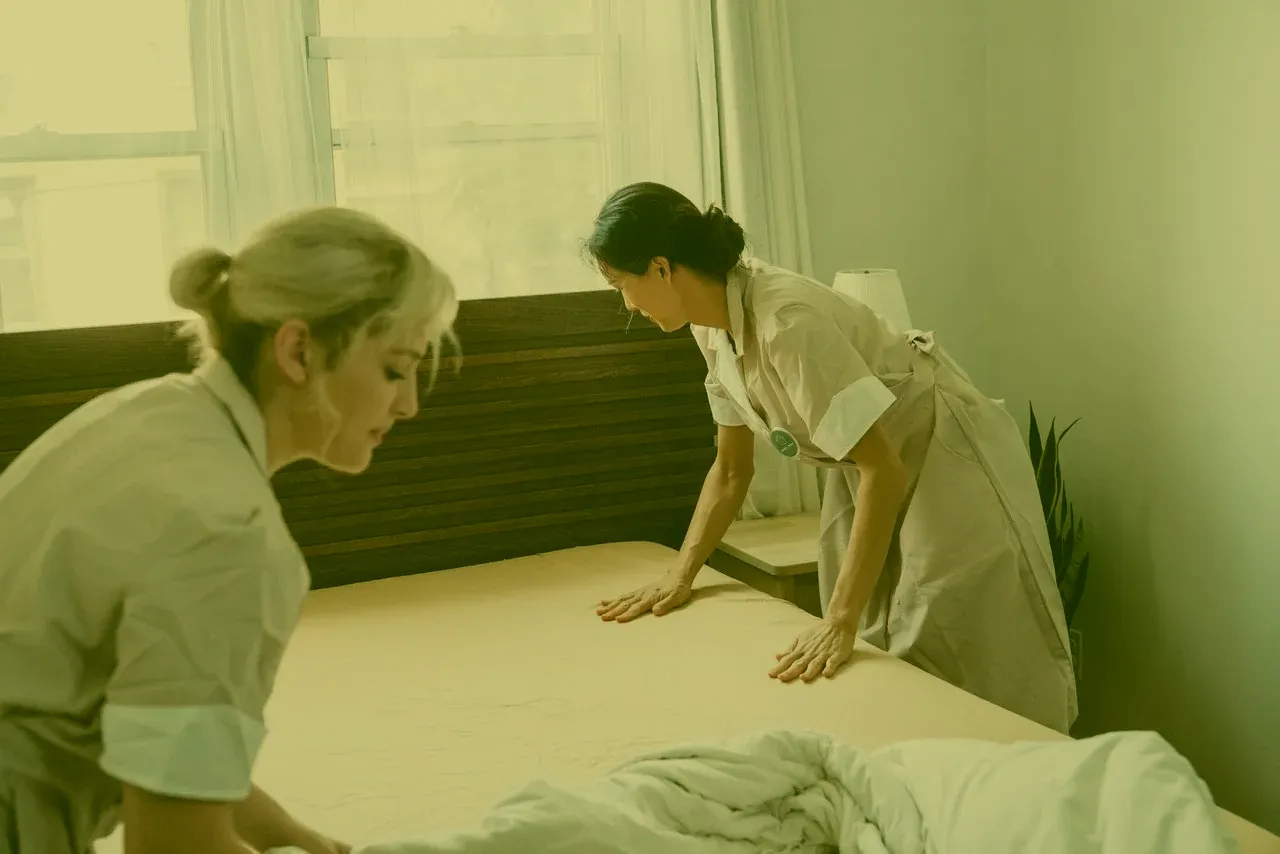
Contact management and preserve the observation with a date, photo or specimen when practical. Ask for a coordinated assessment rather than moving belongings into another unit. The independent provider can explain which spaces need examination and what preparation comes next. Missouri DHSS advises tenants and managers to discuss their respective obligations and agree on a plan; the site cannot interpret an individual lease.
Document the location and keep the furniture or bedding available for assessment instead of assuming everything must be discarded. Ask a provider to identify the evidence and explain whether adjoining apartments need a look. Management can arrange access and any required preparation before setting expectations for the next occupant.
Share a dated list of the reports with the provider so it can compare locations and decide on inspection scope. A building plan should explain resident communication, entry arrangements and follow-up records for each apartment, rather than relying on a single general statement that treatment was completed.
Collect the available inspection reports, product records and resident observations before arranging a new assessment. Tell the provider which units were treated and which had no documented follow-up. It can decide what needs checking now and propose the next steps.
Local housing figures provide context for coordination rather than a prediction of pest activity. Independence had 121,740 residents and 56,084 housing units in the 2024 ACS, with 39.1% of occupied units rented and 21.2% of housing units in buildings containing at least two units. The median year built was 1967. None of those statistics identifies a building as infested. The city's Rental Ready program requires rental licensing and an inspection every two years, but pests are not among its inspection items, so that inspection does not substitute for bed bug assessment. Independence adopted the 2024 International Property Maintenance Code with local amendments. This site does not decide how those provisions apply to a tenancy or who pays for treatment. Residents should notify management, retain dated observations and request a written preparation plan. Before hiring, check the business and applicator through MOPlants under category 7A General Structure Pest Control.
For an Englewood/Procter apartment in 64052, give the street address and connecting-room details. The provider determines which spaces need assessment.
Golden Acres is in 64055. If a resident reports possible bed bugs, ask management to coordinate an assessment and provide instructions before belongings are moved.
Coverage includes Independence addresses in 64050 and 64053. Confirm the street and unit number with the provider to discuss service availability and access.
For Independence addresses in 64056 or 64057, a subdivision such as Blue Mills or Walnut Gardens can help locate the property. Give the street address too.
Describe connecting rooms and access points without assuming insects are present. A building sketch may help the provider define the inspection boundary.
During a move or turnover, record the rooms and furniture showing signs. Ask for containment instructions before carrying items through shared spaces or into another home.
Record what was seen, its location and any change after treatment. Give those observations to the provider rather than inferring a source from the date.
Describe reports involving shared seating or laundry storage. The provider can decide which common spaces need assessment and issue suitable handling instructions.
A hypothetical homeowner in Englewood/Procter notices marks near a bed and worries about a connected sitting room. The marks alone do not establish that bed bugs are present.
The homeowner could retain a photo or specimen and request assessment of sleeping and seating areas. Treatment and preparation would follow the findings.
Afterward: The homeowner could log dated observations and follow monitoring instructions. A later finding would be reported by location for the provider's review.
A hypothetical Golden Acres renter finds a possible insect by a mattress and tells management. The renter asks how assessment and access will be arranged.
A provider could identify the finding and decide whether connecting units need assessment. The renter would receive instructions and discuss difficult preparation tasks before booking.
Afterward: The renter could record new observations and follow the instructions for fitted covers or monitoring devices. Management would retain the unit records and confirm the next review with the provider.
A hypothetical Englewood/Procter manager records reports from two units separately. Bites and an identified insect provide different evidence for assessment.
The manager could arrange authorized access and ask a provider which units and shared spaces need assessment. A written plan would specify preparation, work boundaries and return visits for the apartments actually included.
Afterward: The manager could keep a record per unit and one reporting contact for residents. Follow-up findings would guide the provider's next recommendation.
Apartment planning can involve residents, management and neighbors. Start with evidence and access arrangements, then ask the provider which spaces require assessment.
Collect observations by unit and date so the provider can decide how the reports relate. Ask for a clear inspection boundary and a procedure for adding another apartment if evidence warrants it. Coordinating access and resident instructions can prevent gaps in the agreed work without labeling every nearby unit as infested before inspection.
Tell the provider exactly what was used, where and when, and keep the packaging or product names available. Further applications can complicate assessment or preparation. Ask for insect identification and a revised written plan before adding more treatments. Itching alone cannot show whether the original problem is bed bugs or whether a prior treatment succeeded.
Describe the specific obstacle to the manager and provider as early as possible, such as moving heavy items or finding a suitable time away. Ask whether preparation can be adjusted or assistance arranged. Keep communications and access arrangements in writing. This site does not determine lease obligations or advise a manager how to handle a dispute.
Record exactly which item or space showed evidence and keep belongings from being redistributed until handling instructions are available. The provider can decide whether shared areas need examination alongside the units. Management should communicate any access or preparation changes to residents.
The independent business prices its proposed work
Apartment proposals depend on what the provider finds and the spaces it recommends addressing. Discuss the number of units to examine, any common areas, the methods proposed and the return visits included. The referral site does not set treatment prices or sell a package. Request a written scope before agreeing so residents and management know what they must prepare and what happens if inspection reveals evidence beyond the initial unit. Ask for separate clarification of monitoring, later treatment and charges for adding apartments.
Compare proposals by their inspection boundaries, preparation requirements and follow-up terms. A proposal for one bedroom and a proposal for several connected apartments describe different work even when the service names look alike.
Ask which apartments are included for assessment and treatment, and whether shared areas are separate items. If another resident reports evidence later, find out how that changes scheduling and the agreement.
Different methods require different preparation, equipment and appointment sequences. Compare the full plan, including later checks, rather than assuming a treatment name tells you how many visits will be needed or what each one covers.
One item and several rooms may lead to different proposals. Ask the provider how its findings support the work and whether more assessment is needed to define the scope.
Access to units, occupied rooms and furnishings can affect the work plan. Ask how the provider accounts for those conditions and which tasks residents or management must arrange beforehand.
Have the provider list planned inspections and explain the response to a later live insect. Confirm who schedules those visits and whether additional work has separate terms.
The Missouri Department of Agriculture's Bureau of Pesticide Control administers pesticide credentials. Use the MOPlants Pesticide Business/Applicator Search to review the business and person involved, including category 7A General Structure Pest Control. This site does not verify either record for you. Independence's Rental Ready program requires licensing and an inspection every two years; pests are outside those inspection items. The city also adopted the 2024 IPMC with local amendments. This site does not apply that code to a lease or decide who pays. For a rental report, contact management, document the evidence and agree on preparation and access in writing.

In this hypothetical example, a property manager in Englewood/Procter gathers reports from several apartments. A provider would decide the assessment boundary and recommend work from its findings. The manager could arrange access, distribute preparation instructions and preserve separate unit records. This is a planning illustration, not a completed referral.
In this hypothetical example, a homeowner in Englewood/Procter finds possible evidence near a bed. A provider could identify it and assess connecting spaces before recommending work. The homeowner would ask for handling instructions and a dated report. The example describes a decision, not an actual visit.
In this hypothetical example, a renter in Golden Acres reports a possible insect to management and keeps dates and photos. A provider could decide which rooms need assessment. The renter would request preparation and return instructions before booking, then ask how later findings should be reported. No customer outcome is claimed.
This site does not decide payment or interpret a lease. Notify management, keep dated evidence and ask for a written plan covering assessment, access and preparation. Independence's Rental Ready inspection does not assess pests, and its property maintenance provisions cannot resolve an individual tenancy through a general website answer. Seek case-specific guidance if responsibility is disputed.
The provider chooses the inspection scope after discussing evidence and the building layout. Management may need to arrange entry to adjoining units or shared spaces. Ask for findings, preparation instructions and any recommended treatment in writing, then confirm how later observations will be recorded and reviewed.
Yes, if the provider's assessment supports that scope. Ask why adjoining units do or do not need examination before agreeing to a single-unit plan. Give the provider any dated reports from nearby apartments and identify connecting spaces. The decision should follow the findings; a report in one apartment does not establish the condition of every neighbor's home.
The duration depends on the method, preparation and number of spaces involved. Ask the provider for separate instructions covering the appointment, time away and re-entry, plus any return inspections. Management should communicate the schedule to each affected household. This site cannot promise an appointment length or a completion date for a building it has not assessed.
Ask the independent provider about an unlisted situation, including preparation, access and appointment questions.
Discuss a question
Inspection identifies the evidence that supports a treatment recommendation. Ask a provider to explain the furniture and rooms examined, any limitations and whether nearby apartments need assessment. A dated written finding gives residents and management a common starting point for the next decision.
Read the service guide
If heat is recommended, request method-specific instructions for belongings and the time residents must stay away. Ask how the provider defines the treated space and checks the result. Equipment, appointment length and follow-up remain decisions for the business offering the work.
Read the service guide
A pesticide proposal should explain treatment locations, product information and resident instructions. Check both the business and individual through the Missouri agriculture department's MOPlants search rather than treating a referral as credential verification.
Read the service guideLater inspections compare new observations with the original findings. Ask who checks devices, what evidence to report and when another appointment should occur. The provider decides whether continuing activity calls for more assessment or treatment under the terms you agreed.
Read the service guideTelephone referrals operate 6 a.m. to midnight Central Time (7 a.m. to 1 a.m. during daylight saving time). Ringba handles call tracking, and calls may be recorded. The LeadSmart form on the contact page is available at all hours. When the telephone line is closed, the call buttons direct you to that form.