One starting point
Discuss suspected bed bugs at an Independence address.

Bed bug treatment in Independence, MO can involve targeted pesticide work when an independent provider recommends it after assessment. A chemical proposal should explain the evidence found, the locations to be treated and the instructions for everyone using those rooms. This site supplies a referral route rather than an application service. Tell the provider about affected beds or seating, earlier products used and the household's preparation needs. Then request a written plan covering the application, re-entry and later inspections, so a treatment name does not stand in for the details you need to make a decision.
Discuss suspected bed bugs at an Independence address.
Ask what the inspection found and what work it supports.
The provider performs and prices any agreed work.
Use Missouri's public applicator search.
An application is one stage of a chemical treatment plan. Ask the business to distinguish what it will inspect, what it will apply and what it expects residents to do before and after each appointment.
Have the provider identify the evidence and explain the inspection boundary before recommending product. Its findings should support the proposed application locations, rather than assuming every surface needs treatment.
Application sites depend on the selected product and its directions. Ask the provider to identify the surfaces it intends to treat and any surfaces it must avoid. Obtain instructions for bedding, clothing and other belongings before the appointment.
Different products act differently on bed bugs and their life stages. The answer should include observation and return-visit instructions, rather than an assumption that every insect or egg receives direct contact during one application.
If dusts or devices are proposed, ask where they belong and what residents must leave undisturbed. Agree who checks monitoring and how a live insect is recorded for the next decision.
Discuss the next inspection before agreeing to the application. Get its purpose and scheduling instructions in writing, including whether more treatment is planned or depends on the findings.
Note the affected rooms and ask what information the provider needs next.
Chemical treatment is a provider's use of selected pesticide products at locations permitted by their directions. It should follow identification and an assessment of the rooms and belongings involved. Ask the business to explain why it recommends this approach, where applications will occur and whether physical removal or another method belongs in the same plan. Residents need specific instructions for preparation, time away, re-entry and cleaning after work. This site performs none of those activities and recommends no product; the independent provider is responsible for explaining the proposed work and carrying it out under your agreement.
Independence's housing includes detached homes, rented dwellings and buildings with multiple units. A street address and description of connecting rooms help a provider plan more than a ZIP alone. Coverage here includes 64052, 64055 and 64056, plus Independence addresses in 64050, 64053 and 64057. In a rental, notify management and ask who will arrange access and distribute the preparation sheet. For any home, disclose prior pesticide use and show the provider dated evidence. The purpose of this page is to help you examine a chemical proposal, including the instructions and later visits attached to it.

Ask for identification and a record of where evidence appeared. Share a specimen or photographs where available. Equipment and appointment length vary; this referral site promises neither a particular inspection device nor a finding before a provider has examined the property.
Read the provider's written preparation list before moving or laundering belongings. Report anything you cannot complete before the appointment. Keeping a clear record of preparation questions helps the business adjust the work plan rather than arriving with an inaccurate picture of access.
The applicator carries out the agreed work at permitted locations and explains any changes to the original scope. Ask for the product information and a dated application record. The site neither supplies the products nor supervises their application.
When monitoring devices are part of the agreement, identify their locations and the person responsible for checking them. Record a later insect by location and date so the business has evidence to review, rather than repeatedly adding products whenever someone notices itching.
The next assessment compares observations with the initial findings and the work performed. A later decision belongs to the provider assessing the evidence; the referral site cannot declare the property clear or prescribe another application.

Ask which permitted sites the applicator intends to treat, what must be protected and which locations residents should leave undisturbed after the work.
The essential question is how the business confirms bed bugs before selecting treatment. This site does not promise a detection animal or any other specialist equipment.
Ask how the provider evaluates hidden or inaccessible locations and explains uncertain findings. The business must explain its assessment and recommendation.
If devices are recommended, obtain a placement and checking plan. Their observations can inform the later inspection when dates and locations are recorded consistently.
If removal or steam is proposed for furnishings, ask what it addresses, which materials need care and how those steps fit the rest of the provider's plan.
An integrated proposal connects evidence, preparation, selected methods and later checks. Ask the provider to explain how those pieces fit your rooms and belongings.
Ask why the business recommends the selected products and whether earlier applications affect its choice. Provide the names and dates of anything already used.
When a business describes a product by its role in the plan, ask what that means for later activity and follow-up. Request written product information.
Ask whether covers are appropriate for the mattress or box spring you plan to keep. Report damage or openings to the provider rather than silently removing them.

Share the evidence and contact management before agreeing to work affecting the rental. Ask the provider which rooms need inspection and whether adjoining units should be examined. This site cannot decide who authorizes or pays for treatment; those questions need the parties' specific information and agreement.
Keep a photo or specimen available and describe other rooms used for sleeping or sitting. A provider can determine whether the evidence is bed bugs and how far assessment should extend. The presence of guests does not establish where insects originated.
Ask how the item should be contained and assessed before carrying it to another room or disposing of it. Request instructions for materials and later observations. An assessment, rather than the item's purchase history alone, determines what treatment is proposed.
Explain who uses the room, the evidence found and when access is possible. Ask the independent business about inspection, treatment choices and re-entry instructions suited to that use. Obtain a written schedule and work record before setting expectations for the people using the space.
Ask a provider to plan around the actual property rather than infer conditions from its neighborhood. Independence's 2024 ACS reports a median housing construction year of 1967, with 69.9% of units built before 1980. That describes the city housing stock and does not establish pest activity, accessible gaps or the treatment needed in a specific house. The same data show 39.1% of occupied homes are rented, so some appointments require management coordination. A resident in Englewood/Procter, a Golden Acres renter and a manager of several units may need different access arrangements while asking the same questions about evidence and product instructions. Before hiring, search the business and applicator through Missouri's MOPlants Pesticide Business/Applicator Search, including category 7A General Structure Pest Control. Request the proposed locations, preparation sheet, re-entry directions and follow-up terms in writing. Neither a referral nor a city rental inspection replaces those checks.
For an Englewood/Procter address in 64052, describe the rooms and access needs. The address locates the home; evidence determines whether chemical work is proposed.
Golden Acres, 64055, is identified by the city as Independence's first planned subdivision. For treatment decisions, the useful details are the observed evidence, furnishings and any preparation or rental coordination needs.
For an Independence address within 64050 or 64053, confirm the street and unit number. Ask the provider how any shared spaces affect its assessment and whether management must arrange entry.
Give the full address for 64056 or the Independence portion of 64057. A subdivision such as Susquehanna Village or Sherwood Estates may help identify the location.
Identify rooms or apartments with reports and those not examined. The provider decides the inspection boundary and coordination needs; housing statistics cannot locate insects in a building.
Independence's 69.9% pre-1980 housing share describes the city. Ask about actual rooms and access rather than assuming a home's age determines the chemical work it needs.
Give the provider a list of products already used and any items moved between rooms. Do not assume travel or a recent furniture purchase proves where possible bed bugs came from.
Record when and where signs appeared. Ask the provider what assessment those observations support rather than assuming outdoor weather explains an indoor report.
In a hypothetical Englewood/Procter home, a homeowner finds possible evidence beside a guest bed. This is a planning example rather than an account of a completed job.
The homeowner could request identification and an inspection boundary first. Any chemical proposal would explain application locations, preparation and later checks.
Afterward: After any agreed work, the homeowner would follow cleaning and monitoring instructions, record new findings and contact the provider about changes. A quiet room alone would not replace the planned review.
A hypothetical Golden Acres renter reports possible bed bugs and asks about belongings and pets. Management is involved to discuss authorization and access before work is booked.
A provider could assess the evidence and explain any chemical recommendation. The renter would request preparation and re-entry instructions specific to the actual work.
Afterward: The renter could retain instructions and the application record. Any later insect would be documented by date and location for the agreed follow-up discussion.
In a hypothetical Englewood/Procter building, a property manager receives reports from two households. The information is recorded separately for assessment.
The manager could arrange assessment and request a proposal naming the apartments and methods. Residents would receive written instructions and a contact for access questions.
Afterward: The manager could keep separate unit records and confirm later visits. Additional work would depend on findings and agreed terms, rather than a result promised by the illustration.
Chemical work should answer a confirmed problem and follow a documented plan. The situations below explain useful questions; they are not reports of calls received through this site.
Bites alone do not identify bed bugs. Keep a timeline and, if possible, a clear photo or specimen of insects found near sleeping areas. Ask a provider to explain what evidence supports its recommendation before agreeing to application. The proposal should connect findings to rooms and belongings, with later observations used to assess progress. Avoid repeating treatments solely because itching continues when the cause has not been established.
If reports involve connected apartments, give the provider a unit-by-unit account and tell management. Ask which homes need assessment and how access will be arranged. A chemical proposal should identify the included spaces and residents' instructions, rather than simply extending one apartment's work to every neighbor. Keep reports and follow-up dates separate for each unit so new evidence can be evaluated in its proper location.
Pause before carrying the item through the home or shared hallway and ask the provider for handling instructions. An assessment can address the furnishing, nearby sleeping or seating areas and whether the evidence is bed bugs. Chemical treatment is one possible recommendation, not a conclusion based on a used item alone. Ask how materials will be protected and what later observations would trigger another inspection.
Provide the earlier product names, dates and treated locations to the business assessing the problem. Ask whether it can identify current activity and review the original preparation and scope. A revised plan should explain any additional assessment, the proposed methods and how follow-up will distinguish continuing evidence from marks or symptoms that do not identify live insects.
Price and visit terms come from the provider
A chemical treatment proposal should state which rooms and belongings are included, the work planned and the later inspection arrangements. The provider sets the price after assessing the situation; this site publishes no treatment prices. Ask whether physical removal, covers or other methods are separate items, and clarify the terms for additional applications. In a shared building, confirm who coordinates access and whether inspection of adjoining units is part of the agreement. Comparing the same scope helps you understand differences between proposals without assuming one visit or one product represents the entire job. Keep the total and any conditions for changes in writing.
Review the products, application locations, preparation duties and later-visit terms together. The provider's assessment should guide whether an item can remain in the treatment plan.
Ask which rooms are included, including seating outside bedrooms. If new evidence is found, the provider should explain how adding a room changes assessment, work and the agreement.
The extent and distribution of confirmed activity influence the proposed work. Request an explanation of what was found and how that finding supports the methods and visit sequence.
Furnishings and stored items can affect access to inspection and application sites. The business can explain preparation alternatives and how access limitations affect its proposed scope.
For several units, ask who coordinates permissions and resident notices. Request a proposal naming the apartments, access needs and later visits so every household receives clear instructions.
Ask whether covers, devices, steam or other activities are included. Have the provider explain each recommendation and whether it is optional or needed for the proposed method.

Check credentials directly rather than treating a referral as approval of the business. Use it to review the business and individual applicator, including category 7A General Structure Pest Control, and ask the provider about the insurance relevant to the work. Next, request product information and the proposed application locations. Preparation, time away, re-entry and cleaning directions should match the actual work. This site performs no inspection, chooses no pesticide and does not verify credentials for you. Retain the application record and written instructions with the agreement so later questions can be discussed with the business responsible.

A hypothetical homeowner in Englewood/Procter asks a provider whether evidence near a guest bed justifies chemical work. The provider would identify the finding, explain application locations and provide preparation instructions. The homeowner could then review return-visit terms before deciding whether to book.
A hypothetical property manager in Englewood/Procter arranges assessment after separate unit reports. The provider would identify findings and explain any chemical proposal. The manager could coordinate access and written resident instructions while retaining a record for each included apartment.
A hypothetical Golden Acres renter reports possible evidence to management and asks about belongings and pets. A provider could assess the finding before proposing chemical work. The renter would request preparation and re-entry instructions specific to the actual plan.
Ask the provider for instructions specific to the products and application locations it proposes. Tell it about children, pets and any household needs before booking, then obtain preparation and re-entry directions in writing. This site cannot label an unidentified treatment suitable for a household or give a universal waiting period. Ask who can answer later questions about treated belongings and cleaning, and resolve unclear instructions with the applicator before work begins.
Return only according to the provider's instructions for the actual work performed. The products, application locations and conditions determine those directions, so this site cannot provide a general interval. Ask for the instructions before the appointment and discuss any difficulty following them. Keep them with the application record, including guidance on cleaning and handling treated belongings afterward.
Do not assume one application completes the plan. Ask the provider how its selected methods address the evidence found and what later observations or inspections it requires. Obtain the visit terms and reporting instructions before treatment, including how to document a live insect discovered later.
The answer depends on the products, application sites and conditions, and should come from the provider. Ask about cleaning restrictions, expected observation and the planned assessment dates. Residual activity does not replace follow-up or prevent every new introduction. Keep devices and covers as instructed, and report later findings with their date and location so the business can evaluate them.
Ask the independent provider about an unlisted situation, including preparation, access and appointment questions.
Discuss a question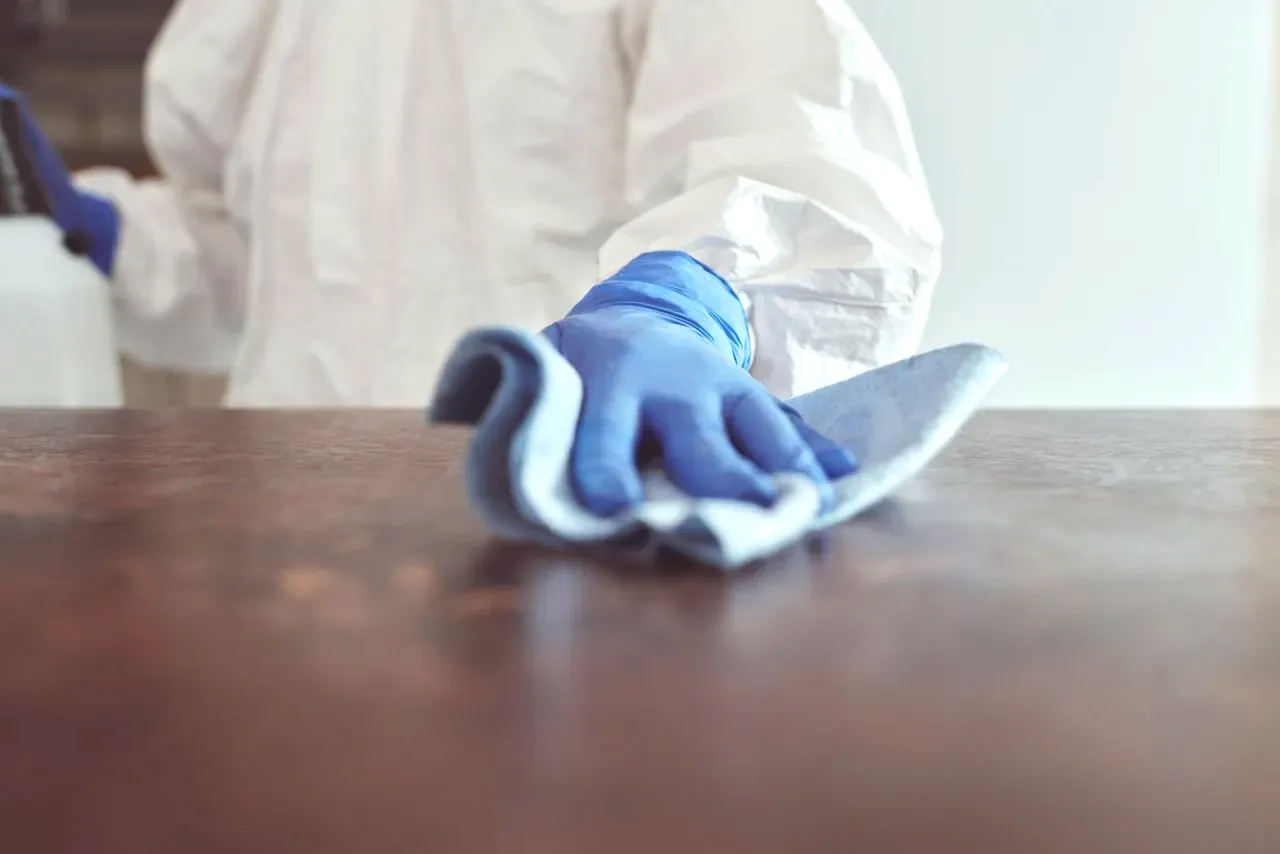
Before recommending application, a provider needs evidence and an inspection boundary. Ask how it identifies the insects and which furniture or rooms it examined. In a connected building, discuss whether other spaces require assessment. The site does not promise a detection method or conduct the inspection itself.
Read the service guide
Heat may be discussed as an alternative or another part of a proposed plan. Ask why the provider considers it suitable, what belongings need special handling and how long residents must stay away. That business selects equipment and follow-up; this site does not prescribe a heat-and-chemical combination.
Read the service guide
Apartment work needs agreement on access, resident instructions and inspection scope. A written record for each included unit helps everyone track preparation, work performed and later observations without assuming every apartment has the same findings.
Read the service guide
Follow-up reviews compare current evidence with the original inspection and application record. Report live insects by date and location, following the provider's instructions for preserving a specimen or photograph.
Read the service guideTelephone referrals operate 6 a.m. to midnight Central Time (7 a.m. to 1 a.m. during daylight saving time). Ringba handles call tracking, and calls may be recorded. The LeadSmart form on the contact page is available at all hours. When the telephone line is closed, the call buttons direct you to that form.